
Find It!
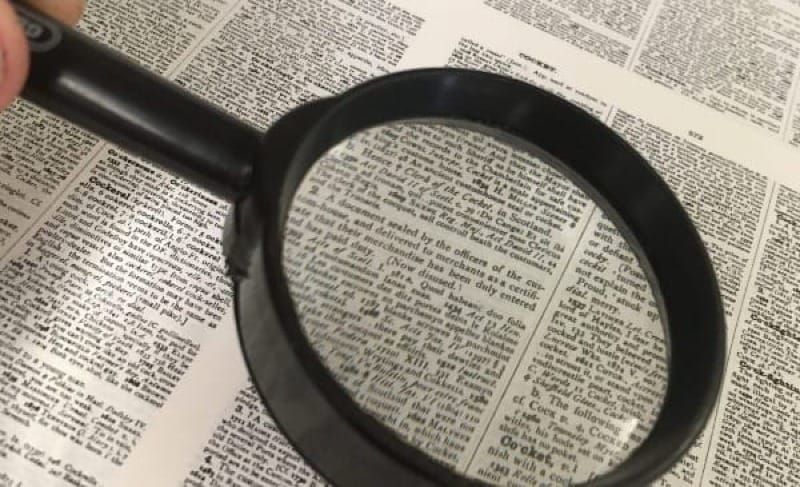
Start with the search, not the store.
If the platform sells both new and existing goods, start by filtering for USED or VINTAGE before you search.
Do it first. It removes enormous amounts of newly manufactured inventory from the solution space and lets you see what already exists.
Make USED your habitual first click.
Start with the obvious search terms: object, brand, material, size, color, era, distinctive features. Then change the vocabulary.
Sellers don't necessarily describe things the way you would. Try the language they might use:
used · pre-owned · vintage · secondhand · NOS · new old stock · deadstock · discontinued · replacement · original · open box
Add and remove words. Don't assume your first description is the description somebody else used when they listed the thing.
If you still don't find what you need, expand the condition filter to NEW—but keep searching for existing old stock. Add terms such as NOS, new old stock, deadstock, never used, or discontinued to surface older goods that sellers may have classified as new.
Condition filters are navigation tools, not proof. Sellers classify things inconsistently, and the categories don't always mean what you think they mean.
Use the filter. Then use your brain.
The basic progression is simple:
USED first → search broadly → improve the vocabulary or images → expand to old-stock NEW when necessary.
Search the evidence you've got.
Model numbers. Maker's marks. Labels. Measurements. Packaging. Patent numbers. Distinctive graphics. Even partial text can narrow the field.
Object — jeans, toaster, hinge, lamp
Brand/maker — Levi's, Pyrex, Black & Decker
Style/model number — especially powerful when replacing clothing you already know fits
Size — including alternate ways sellers may express it
Material — wool, brass, cotton, stainless
Measurements — particularly useful when standardized sizing isn't reliable
Era — 1980s, midcentury, Y2K
Distinctive features — green, striped, embroidered, three-hole, etc.
Already own something that fits perfectly? Check the tags before shopping.
Brand + style/model number + size can turn “find me some jeans” into “find me another pair of these jeans.”
When words fail, use a picture.
You don't even have to know what it's called.
If you have the object—or even a photograph of it—try an image search. This can be especially powerful when the label is missing or illegible, you don't know the terminology, the object has distinctive visual features, or keyword searches simply aren't getting you anywhere.
Once you find a match, harvest its information.
A near-match isn't a failed search—it's new search data.
Even if that listing isn't the one you want, you may have just learned the brand, style name, model number, era, keywords, or some other detail that lets you run a much better search.
Where to look
Start where buying existing feels most like buying anything else.
eBay is my broadest general-purpose starting point. Filter the condition to Used before searching.
Gem is excellent for clothing and searches vintage and secondhand inventory across multiple sources.
Etsy is particularly useful for vintage objects, gifts, supplies, and old stock. Filter to Vintage when appropriate to keep newly manufactured inventory out of the results.
And don't overlook specialty resale markets. Search the web for combinations such as used, pre-owned, refurbished, surplus, or salvage + whatever you need. Entire secondary markets exist for categories most of us don't know how to find until we go looking for them.
Local can be great—but run the transportation pathway.
If you're walking, biking, taking transit, already going there, or combining pickup with another necessary trip, excellent.
But don't assume LOCAL = LOWER IMPACT. Geography isn't a substitute for evaluating the actual transportation involved.
And don't become overly loyal to your favorite resale app, either. The goal is to locate the existing capacity, not demonstrate loyalty to a particular channel.
Finding it doesn't mean you have to buy it yet.
Once you've found a promising match, look around a little.
Watch or favorite it. Many marketplaces and sellers send discounts to interested shoppers.
Compare a few. Look at condition, measurements, seller information, shipping cost, and photographs—not just price.
Save the search. If the right one isn't there today, let the marketplace keep looking for you.
And give it a little time. More inventory may appear. The seller may make an offer. You may find a better match. You may even realize you don't need the thing after all.
Waiting can improve the match—and sometimes lower the price.
On eBay, I routinely heart/watch promising listings and wait before clicking Buy It Now. Sellers can send offers to interested buyers, and many do—so not buying immediately may literally be rewarded. Etsy gives sellers similar tools for offering discounts to shoppers who save particular listings.
A note about offers
Remember that there's often another person—or a very small business—on the other side of the transaction.
I generally don't negotiate against a reseller's asking price simply because the platform gives me a button that allows it. If the price works for me, I buy it. If it doesn't, I keep looking (or I'll 'watch' the item and see if the seller offers me a deal).
There are times when reaching out makes sense. If shipping looks unusually high, ask whether there's a less expensive option. If you're interested in multiple items, ask about combined shipping. And if you're buying several things from one seller, it can be reasonable to ask whether a multi-item price makes sense; one transaction and one shipment may save the seller meaningful time and labor.
A good reuse marketplace has to work for the people supplying it, too.
Engage humans with humanity.
That used thing didn't magically appear in your search results. Someone identified it, photographed it, described it, stored it, listed it, and made themselves available to get it to you.
Treat the person on the other side of the transaction like a person.
Ask reasonable questions. Respect their time. Don't manufacture urgency. And don't take out frustration about carrier delays, platform glitches, or other third-party failures on a seller who doesn't control them.
The people making existing capacity available are part of the reuse infrastructure.
Take care of the infrastructure.